

The Status of UK Horse Racing: What Happens When It’s Not On
The world of UK horse racing is vibrant and dynamic, captivating millions of fans each year. Yet, there are these peculiar instances when events are not held. This can be due to various reasons, including adverse weather conditions, logistical issues, or even regulatory changes. During these times, fans and bettors alike may find themselves searching for alternatives, such as UK Horse Racing Not on GamStop horse racing not on GamStop, to keep their excitement alive.
Understanding the Appeal of UK Horse Racing
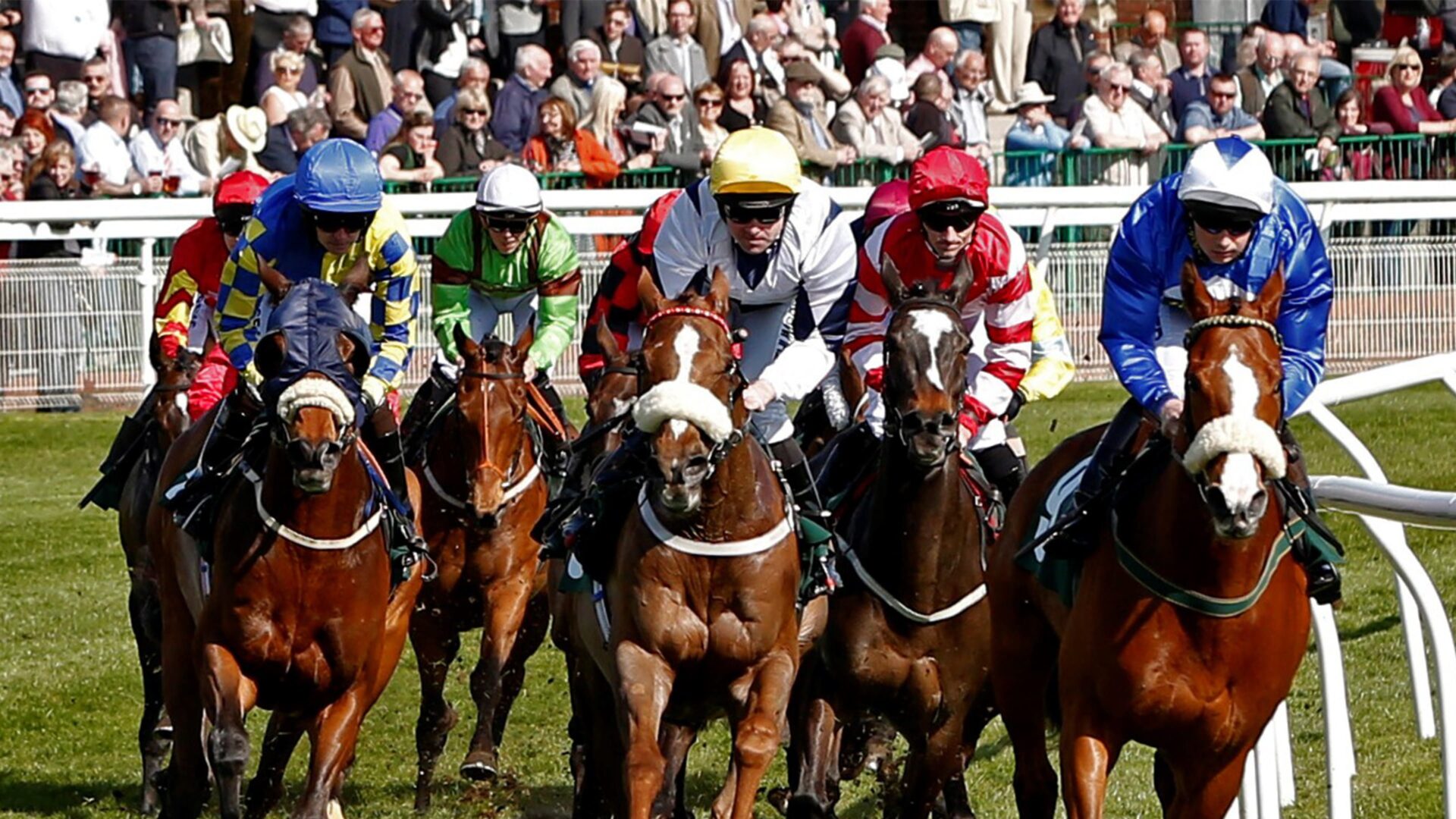
UK horse racing is more than just a sport; it’s an integral part of British culture. The historic tracks like Ascot, Aintree, and Cheltenham attract thousands of spectators, coupled with millions more enjoying events through various broadcasting channels and online platforms. The allure of horse racing lies not only in the adrenaline of the races but also in the tradition, the social aspect, and, of course, the betting opportunities.
What Happens When Races Are Not Held
When horse racing events are canceled or rescheduled, the ripple effects can be felt throughout the entire industry. Trainers, jockeys, owners, and fans rely on a consistent racing calendar for their livelihoods and entertainment. Below are some of the key impacts when UK horse racing is not on:
1. Economic Impact
The horse racing industry contributes significantly to the UK economy. Cancellations can lead to substantial financial losses for racecourses, trainers, and associated businesses. This can result in layoffs, reduced funding for horse breeding, and less investment in training facilities.
2. Bettors Seek Alternatives
For betting enthusiasts, the absence of horse racing creates a gap. Many turn to alternative betting platforms or differ

ent sports, such as football or virtual sports. The online betting industry has evolved to offer numerous options; however, nothing quite matches the thrill of horse racing.
3. Influence on Horse Welfare
The horses themselves are affected by a cessation in racing. Training routines are disrupted, and the lack of competitive racing can influence a horse’s condition and performance. Keeping horses fit and well-prepared for when the races resume becomes a renewed priority for trainers.
Reasons for Cancellations
Understanding why horse racing events may be canceled can help fans prepare for such scenarios. Several factors contribute to cancellations:
1. Weather Conditions
One of the primary reasons for cancellations is adverse weather. Heavy rain can lead to unsafe track conditions, while snow and ice can render tracks unmanageable. The safety of both horses and jockeys is paramount, leading organizers to make difficult decisions to cancel events.
2. Regulatory Issues
At times, public health concerns or regulatory changes concerning gambling can disrupt racing schedules. This has been particularly evident during the global pandemic, where many sporting events faced unprecedented cancellations and restrictions.
3. Logistical Challenges
Organizing a horse racing event involves complex logistics, from ensuring the presence of horses to managing attendance. Issues such as transportation strikes or issues with veterinary inspections can lead to cancellations.
Alternatives During Cancellations
While the absence of live horse racing can be disheartening, several alternatives can keep the fanbase engaged and entertained:
1. Virtual Horse Racing
Many betting platforms now offer virtual horse racing, where simulated races take place based on algorithms rather than real horses. This can provide a semblance of excitement, allowing fans to place bets and experience the thrill of racing even when physical events are not occurring.
2. Betting on Other Sports
Sports such as football, basketball, cricket, and tennis present an opportunity for bettors to continue their wagering habits. Many racing fans possess a broader interest in sports, making this a smooth transition.
3. Engaging with Online Forums and Communities
Online platforms offer ways to connect with fellow fans, discussing everything from past races to betting strategies. Engaging with the community can help maintain enthusiasm and foster a sense of belonging even during the off-days.
Looking Ahead
While cancellations can be challenging for the UK horse racing scene, they also provide a chance for growth and innovation. The industry has demonstrated resilience time and again, and each setback often leads to a stronger and more equipped future.
In summary, the allure of UK horse racing remains strong even when events are not on. By adapting and exploring alternatives, fans and bettors can continue to enjoy the sport in various forms. Whether through virtual racing or engaging discussions, the passion for horse racing can endure, demonstrating the unwavering commitment of its enthusiasts.


