

Understanding Casino Operations
Casinos operate under a set of complex systems designed to provide entertainment and revenue. The core concept revolves around the “house edge,” which is the statistical advantage that the casino has over players in every game. This edge varies from game to game, ensuring that over time, the casino will always come out ahead. For instance, in games like blackjack and roulette, the house edge can be as low as one percent, but in slots, it can climb substantially higher. Many players seek the best online casino australia for their gaming experiences, and this disparity is crucial for understanding how casinos maintain profitability while providing a fair playing field for those who gamble.
Moreover, casinos adhere to strict regulations that enforce fairness and transparency in the gaming process. Many jurisdictions require that games are regularly tested and audited by independent third parties to ensure compliance with legal standards. These measures are in place to establish trust between the casino and its patrons, alleviating concerns about rigging or foul play. Understanding this oversight helps clarify that while casinos are designed to favor the house, they operate within a framework meant to uphold fairness.
Players should also be aware of the randomness inherent in casino games, particularly those relying on chance, such as slot machines and roulette. These games use random number generators (RNGs), sophisticated algorithms that ensure outcomes are unpredictable and fair. As a result, while the house edge guarantees that casinos profit in the long run, each spin or hand is independent of the last, highlighting the distinction between a rigged setup and a mathematically calculated advantage.
The Myth of Rigged Games
The notion that casinos are rigged often stems from players’ frustration over losses. It’s natural to look for external reasons when luck is not on one’s side. However, the reality is that casinos must balance profitability with reputation, as being perceived as unfair would drive customers away. This balance is achieved through regulated gameplay and the application of mathematical principles that favor the house without cheating players. Therefore, accusations of rigging might be more reflective of personal experiences rather than facts.
Additionally, anecdotal evidence often fuels the beliefs about rigged games. Players may share stories of alleged rigged outcomes, but these accounts are usually isolated incidents or personal perceptions of unfairness. There is no substantial data to support widespread rigging practices within legitimate casinos. Instead, players should recognize that variance and luck are inherent in gambling, and they are part of the game’s allure.
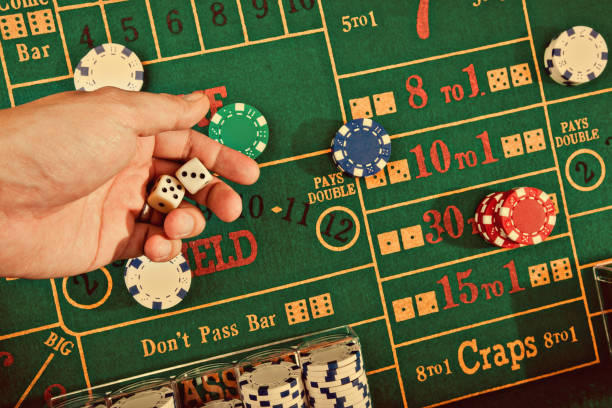
The allure of casinos also lies in the potential for massive wins, which can obscure the reality of the odds stacked against the player. While stories of huge jackpots circulate, they are far less common than losses, leading to a skewed perception of the overall gaming experience. Understanding the underlying mechanics and acknowledging the role of chance can help players navigate their expectations while enjoying the thrill of gambling.
The Role of Gambling Regulations
Gambling is a heavily regulated industry, with strict guidelines governing the operation of casinos to prevent misconduct and ensure fairness. Regulatory bodies ensure that the games offered by casinos are tested and certified for fairness, which plays a significant role in maintaining industry integrity. For example, any irregularities found during testing can lead to severe penalties, including loss of licenses, hefty fines, or even closure of the establishment. These regulators act as watchdogs to protect consumers and keep casino operations transparent.
Furthermore, many jurisdictions have implemented consumer protection laws that provide players with rights and recourse should they feel wronged. This legal framework fosters an environment where players can gamble with peace of mind, knowing that they are protected from deceptive practices. In many cases, casinos must also provide clear information about their payout percentages, which typically range from 75% to 98%, dependent on the game. This transparency allows players to make informed decisions based on statistical data.
Internationally, various organizations and jurisdictions, such as the UK Gambling Commission or the Nevada Gaming Control Board, enforce rules and standards that uphold fairness in gambling. These entities work diligently to ensure that casinos operate ethically, providing a fair chance to players while maintaining the necessary house edge. With regulations in place, players can feel more confident that their gaming experience is overseen by impartial authorities, pushing back against the perception that the games are rigged.
The Psychological Aspect of Gambling
The psychology of gambling plays a significant role in perceptions of rigging. Players often experience cognitive biases that can influence their thinking about fairness and luck. For instance, the “illusion of control” leads players to believe they can influence outcomes, particularly in games of chance. This belief can escalate disappointment when losses occur, resulting in claims that the games are rigged rather than accepting the nature of probability and randomness.

Additionally, the concept of “hot” and “cold” machines in slot games can foster a belief that some games are intentionally manipulated. Players often think that machines that haven’t paid out in a while are more likely to hit soon or that machines showing frequent payouts are more generous. However, these perceptions overlook how RNGs work; each spin is independent, and outcomes remain random regardless of previous results or perceived patterns. This misunderstanding complicates the idea of rigging, reinforcing the need for education about gambling mechanics.
The emotional rollercoaster of gambling can also lead to what is known as “gambler’s fallacy,” where players believe they are due for a win after a streak of losses. Such sentiments can cause frustration and feelings of being cheated, fostering a narrative of rigging. Recognizing these psychological factors can help players manage their expectations and approach gambling as a form of entertainment rather than a guaranteed source of income.
Looking for Reliable Information
In the age of information, players should prioritize seeking out reliable sources to better understand casino operations and the myths surrounding rigging. Numerous educational resources are available, including articles, forums, and expert commentaries that discuss the mechanics of games and gamble responsibly. Engaging with these materials can provide clarity on how casinos operate and the fairness they strive to maintain. Furthermore, understanding the odds and payout structures of various games can empower players to make informed decisions.
It’s beneficial for players to share their experiences in a constructive context, enabling a dialogue around gaming that is rooted in facts rather than emotional reactions. By creating a community focused on transparency, players can learn from one another and challenge misconceptions about the fairness of casino operations. Understanding the true nature of games—not through anecdotal experiences but through data—offers a more realistic view of the gambling landscape.
Ultimately, staying informed can help mitigate feelings of being cheated and encourage a healthy perspective on gambling. Engaging with legitimate resources can help players navigate their experiences, from casual play to serious gambling. Since casinos operate within a regulated environment, players can feel assured that they are participating in a fair game while appreciating the entertainment value of their experience.


