

Mobile Gaming Trends in the Online Landscape
The gaming landscape has undergone a tremendous transformation in the last decade. With smartphones becoming ubiquitous, mobile gaming has emerged as a dominant force in the gaming industry. Modern gamers demand more engaging and interactive experiences, leading to a surge in innovative gameplay mechanics, monetization strategies, and community-building approaches. In particular, the rise of online casinos and the incorporation of features such as Mobile Gaming Trends Around Online Casino Free Spins No Deposit online casino free spins no deposit have redefined the way players engage with gaming platforms.
1. Mobile Gaming: Overview and Growth
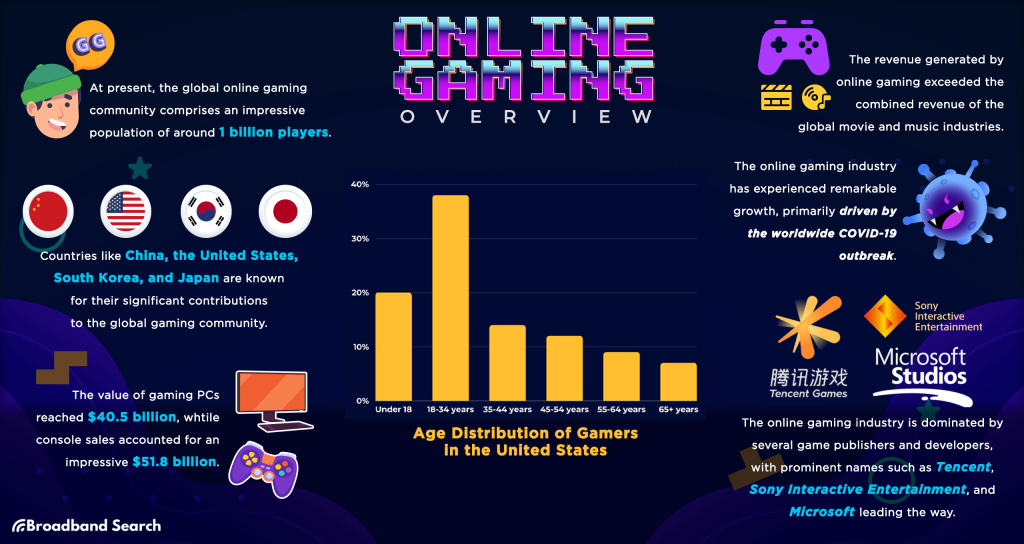
Mobile gaming is not just a trend; it’s a significant segment of the gaming market. According to recent statistics, the mobile gaming industry is expected to surpass $100 billion in revenue by 2025. One of the key factors contributing to this growth is the increasing accessibility of smartphones across various demographics. As more individuals gain access to mobile devices and high-speed internet, the player base continues to expand.
2. The Social Fabric of Mobile Gaming
Community engagement has always been a fundamental aspect of gaming. With the integration of social media and online multiplayer features, mobile gaming has taken this to a new level. Platforms like Discord, Twitch, and various social media allow players to connect, share experiences, and organize tournaments. The social aspect enhances user retention, as players are more likely to return to games where they can engage with friends.
3. Rise of Mobile Casinos
One of the more exciting trends has been the explosion of mobile casinos. As laws regarding online gambling continue to evolve, mobile platforms have made it easier for players to engage with their favorite casino games from the comfort of their homes or on the go. Features like live dealer games, mobile-friendly interfaces, and various payment methods cater to the ever-growing demand for mobile gambling experiences.
4. Innovative Monetization Strategies
Developers are continuously exploring new monetization strategies to optimize revenue from mobile games. Freemium models, where players download games for free but pay for in-game items or features, have become especially popular. Additionally, the integration of ad networks allows developers to monetize their games through in-game advertisements without directly charging players. Subscription models are also gaining traction, offering players access to exclusive content and ad-free experiences.
5. Integration of Augmented Reality (AR)
The integration of augmented reality has changed how players interact with their gaming environment. Games like Pokémon GO have exemplified the potential of AR in mobile gaming, blending the real world with digital elements in unique and engaging ways. Developers are striving to incorporate AR features into their games, enriching gameplay and providing immersive experiences that combine physical and virtual realms.
6. E-sports and Competitive Gaming
Mobile e-sports have seen explosive growth recently, with tournaments attracting millions of viewers across streaming platforms. Games like PUBG Mobile, Call of Duty Mobile, and Mobile Legends have established strong communities and competitive scenes. The convenience of mobile gaming allows players to participate in tournaments from anywhere, contributing to its widespread appeal.
7. Personalized Gaming Experiences
To retain players, developers are increasingly focusing on creating personalized gaming experiences. Artificial intelligence algorithms analyze player behavior to offer customized gameplay suggestions or create adaptive difficulty levels that cater to each user’s skill level. This personalization extends to in-game offers, where players receive special discounts or offers based on their gaming habits.
8. Blockchain Technology and NFTs
As blockchain technology continues to evolve, its integration into mobile gaming opens up new possibilities. Blockchain can provide transparency in in-game transactions and ownership
of digital assets. Additionally, the emergence of Non-Fungible Tokens (NFTs) allows players to buy, sell, and trade in-game items securely on a decentralized platform. This shift could revolutionize how players engage with in-game economies and their desire for ownership over digital assets.
9. Focus on Inclusivity and Diversity
The gaming industry is making strides towards inclusivity, ensuring that games are accessible to diverse audiences. Developers are increasingly creating games that represent different cultures, genders, and backgrounds. This inclusive approach not only broadens the audience but also creates richer narratives and experiences that resonate with a wider range of players. Companies that prioritize diversity in both content and leadership are more likely to succeed in the competitive mobile gaming market.
10. Future Outlook for Mobile Gaming
As we look to the future, mobile gaming will only continue to grow and evolve. The rising popularity of 5G technology will enhance streaming capabilities, allowing for high-quality graphics and seamless multiplayer experiences on mobile devices. Furthermore, as more developers embrace innovative technologies like AR, AI, and blockchain, the potential for unique and immersive gaming experiences will skyrocket.
Conclusion
Mobile gaming is not just a passing trend; it’s a dynamic and rapidly evolving sector that has become integral to the overall gaming industry. With innovations in technology, engagement strategies, and monetization practices, the future looks promising for mobile gamers. The trends discussed highlight the importance of adaptiveness in this ever-changing landscape. As developers and players navigate this journey together, one thing is certain: the love for mobile gaming will only continue to grow, shaping the future of entertainment for generations to come.


